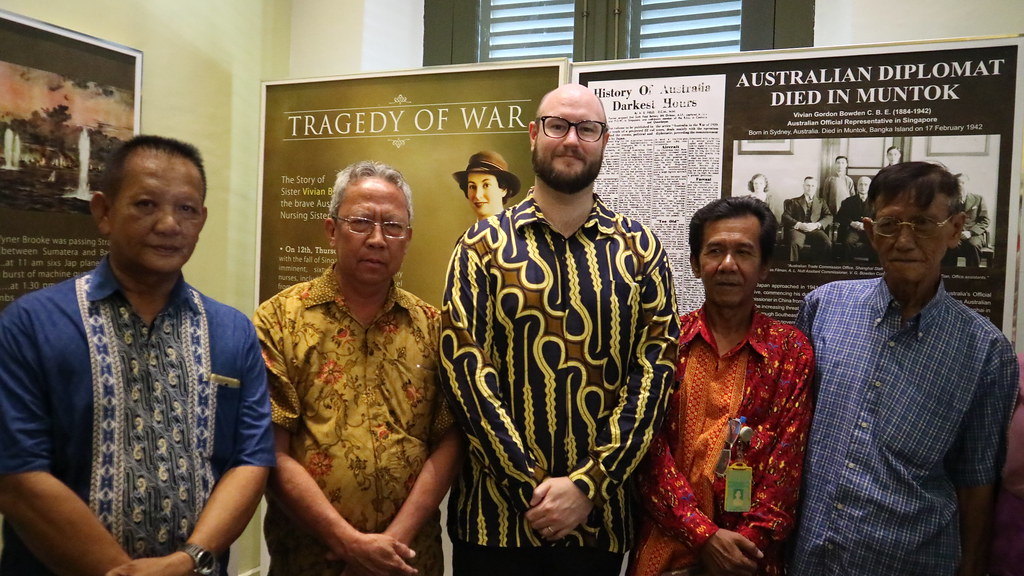
The Evolution of World History: Key Milestones and Their Impact
The Evolution of World History: Key Milestones and Their Impact
World history is a tapestry woven from the threads of countless events, cultures, and milestones that have shaped human civilization. Each significant moment in time carries with it lessons and implications that resonate through the ages. In this article, we will explore pivotal events that have marked the evolution of the world, examining how they have influenced contemporary society and our understanding of the past.
1. The Dawn of Civilization
As we look back at the earliest records of human history, the emergence of civilization stands as a remarkable milestone. Around 3500 BCE, in regions like Mesopotamia, societies began to form, characterized by agricultural practices, writing systems, and complex social structures.
- The Invention of Writing: The creation of cuneiform by the Sumerians not only facilitated record-keeping but also paved the way for literature and bureaucracy.
- Agriculture’s Impact: The shift from nomadic hunter-gatherer societies to sedentary agricultural communities allowed for population growth and the establishment of cities.
2. The Rise and Fall of Empires
The history of empires is a saga of triumph and tragedy that highlights the complexities of power and governance. Notably, the Roman Empire, which at its height controlled vast territories across Europe, North Africa, and parts of Asia, left an indelible mark on cultural and legal frameworks.
- Legal Innovations: Roman law laid the groundwork for legal systems in modern democracies.
- Cultural Exchange: The Roman roads and trade routes fostered cultural interactions that enriched societies.
3. The Age of Exploration
The 15th to the 17th centuries marked a period of exploration that transformed global dynamics. European explorers embarked on voyages that led to the discovery of new lands and trade routes, cultivating a spirit of adventure and ambition.
- Columbian Exchange: The exchange of goods, ideas, and populations between the New World and the Old World reshaped economies and societies.
- Colonial Expansion: This era also saw the rise of colonial empires, which had profound effects on indigenous populations around the globe.
4. The Age of Enlightenment
The Enlightenment, which spanned the 17th and 18th centuries, was a crucial intellectual movement that challenged traditional authorities and emphasized reason and individualism. Also read: wak89 for more insights.
- Philosophy and Politics: Thinkers like Voltaire and Rousseau influenced political ideologies that inspired revolutions, including the American and French Revolutions.
- Scientific Advancements: Innovations during this period laid the foundation for modern science and technology, reshaping worldviews.
5. The Industrial Revolution
Beginning in the late 18th century, the Industrial Revolution marked a seismic shift in production methods, leading to urbanization and economic transformation.
- Technological Innovation: The introduction of machinery significantly increased production efficiency, affecting labor markets and societal structures.
- Social Change: The revolution also brought about social challenges, including labor rights movements that advocated for workers’ rights.
6. The World Wars
The two World Wars of the 20th century were monumental events that reshaped the geopolitical landscape profoundly. The effects of these conflicts continue to influence international relations today.
- Global Alliances: The formation of organizations like the United Nations aimed to foster peace and prevent future conflicts.
- Human Rights Movements: The aftermath of the wars spurred movements advocating for human rights that have gained momentum in recent decades.
7. The Cold War and Globalization
The Cold War era brought about a division that influenced global politics and economics until the late 20th century. Following the Cold War, globalization has emerged as a dominant force.
- Technological Integration: Advances in technology have connected the world like never before, affecting everything from trade to communication.
- Cultural Exchange: Globalization has fostered a rich exchange of cultures, making the world more interconnected yet also presenting challenges related to cultural preservation.
8. Contemporary Issues and the Future
As we navigate the complexities of the 21st century, contemporary issues such as climate change, geopolitical tensions, and technological advancements continue to shape the course of history.
- Sustainability Efforts: The global movement towards sustainable practices reflects a collective acknowledgment of the responsibility to safeguard our planet.
- Digital Transformation: The rise of artificial intelligence and digital technology is revolutionizing industries, presenting both opportunities and ethical dilemmas.
Conclusion
The evolution of world history is marked by significant milestones that reflect the complexities of human experience. From the emergence of civilization to the challenges of modernity, understanding these pivotal events provides invaluable insights into our past and present. As we continue to navigate an ever-changing world, the lessons of history remain as relevant as ever.