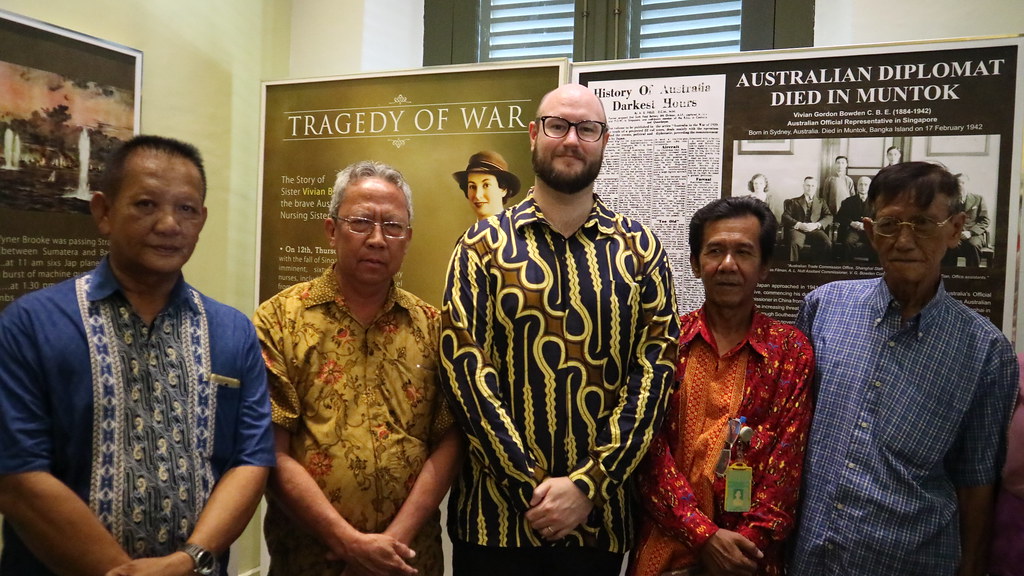
The Shifting Sands of Time: An Exploration of World History’s Landmarks
The Foundations of Global History
World history is a vast canvas painted with the narratives of countless civilizations, cultures, and individuals. By examining significant events and milestones, we can gain insights into how human societies have evolved over the ages. This exploration is not only about dates and facts but about understanding the context and implications of these events on our present and future.
Key Epochs That Defined Humanity
The Ancient Era: The Cradle of Civilization
The journey of world history begins in the ancient era, where the first major civilizations emerged around rivers like the Nile, Tigris, and Euphrates. These societies laid the groundwork for agriculture, governance, and culture.
- Sumerians: Often credited with the creation of writing, they developed cuneiform, which allowed for the recording of laws and trade.
- Egyptians: Known for their monumental architecture, such as pyramids, and a complex pantheon of gods that influenced their daily life.
- Indus Valley Civilization: Notable for advanced urban planning and trade networks, it highlights the interconnectedness of ancient societies.
The Classical Age: Philosophy and Empires
As societies grew, so did complexities in thought, governance, and culture. The classical age saw the rise of great empires and philosophies that shaped human thought and governance.
- Greece: Birthplace of democracy and philosophy, figures like Socrates, Plato, and Aristotle established foundational ideas about human existence and governance.
- Rome: With its vast empire, the Romans contributed legal frameworks and infrastructure that influenced many modern states.
- China: The development of Confucianism and Daoism significantly impacted societal structure and interpersonal relationships within Chinese culture.
Transformative Events in World History
The Age of Exploration
The 15th to 17th centuries marked a significant turning point as European powers sought new trade routes and territories. This period led to profound cultural exchanges and sometimes devastating consequences for indigenous populations.
- Columbus’s Voyage (1492): Opened the Americas to European exploration, resulting in colonization and cultural exchanges that reshaped the world.
- Magellan’s Expedition: Proved the earth’s roundness and paved the way for global circumnavigation, radically changing trade patterns.
The Industrial Revolution
The late 18th and early 19th centuries transformed societies from agrarian to industrial economies, drastically affecting social structures and living conditions. Also read: ajo89 for more insights.
- Technological Innovations: The steam engine, spinning jenny, and other inventions revolutionized manufacturing and transportation.
- Urbanization: Rapid migrations from rural areas to cities led to new social dynamics and challenges, laying the groundwork for modern society.
The Modern Era: Global Conflict and Cooperation
The World Wars
The 20th century was marked by two devastating World Wars that reshaped global power structures and ideologies.
- World War I: Introduced unprecedented levels of warfare with global implications, leading to significant political changes across Europe.
- World War II: Resulted in the establishment of the United Nations and a renewed focus on human rights, shaping international relations.
The Cold War and Beyond
Post-World War II, the geopolitical landscape was defined by the struggle between the United States and the Soviet Union. This period ushered in a new era of technological innovation and ideological conflicts.
- Space Race: Compelled advancements in technology, science, and even education as nations sought supremacy in space exploration.
- Decolonization: Former colonies gained independence, leading to a reshuffling of international power dynamics and the emergence of new nations.
Understanding Our Current World Through History
As we navigate the complexities of the 21st century, understanding the events that have shaped our world becomes crucial. Issues such as climate change, globalization, and technological advancements are all rooted in historical contexts. Lessons from history remind us of the resilience of human societies and the continuous evolution of cultures.
History as a Guide for Future Generations
History is not merely a record of the past but a lighthouse guiding our path forward. Each era comes with lessons that resonate in our current societal and global challenges:
- Adaptability: Societies that successfully adapted to change thrived, illustrating the importance of flexibility and resilience.
- Collaboration: Cooperation between nations has often led to peace and progress, underlining the importance of diplomacy in conflict resolution.
- Cultural Exchange: Embracing diversity and learning from different cultures has enriched societies and fostered innovation.
In conclusion, the story of world history is a tapestry woven from countless threads of events, cultures, and ideas. As we continue to study and reflect upon these past narratives, we gain valuable insights that can help us navigate the challenges of today and tomorrow. By understanding the depth and breadth of our shared history, we lay a stronger foundation for a united future.