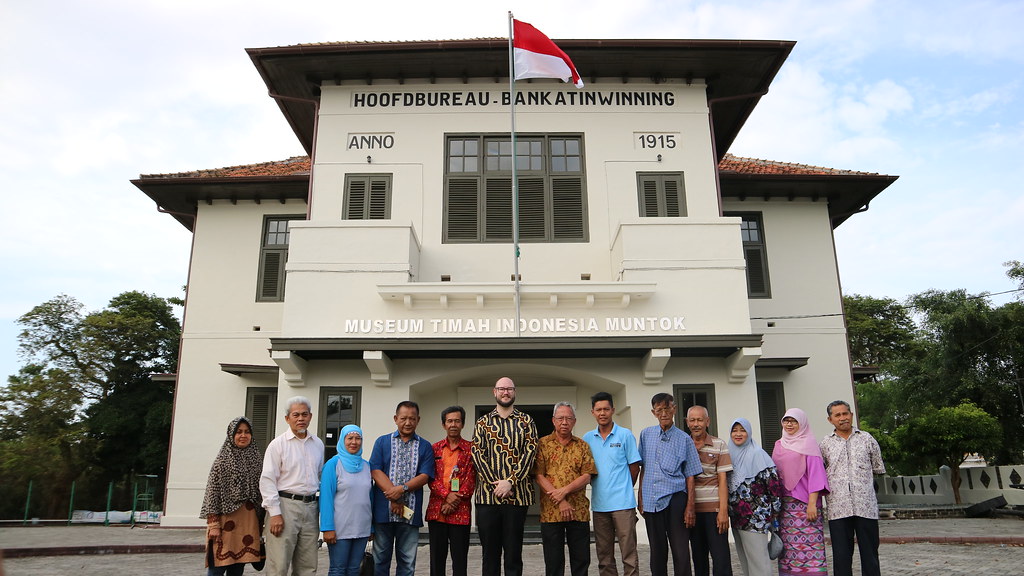
The Threads of Time: How Cultural Identity Influences World History
The Importance of Cultural Identity in Historical Context
Cultural identity has played an undeniable role in shaping world history. From the dawn of civilization, distinct cultures have emerged, each contributing to the tapestry of human experience. Understanding these identities allows us to appreciate how they influenced societies and engendered critical historical events.
The Birth of Cultural Identity
Cultural identity is rooted in the shared beliefs, values, and practices of a group. It stems from language, religion, traditions, and even cuisine, creating a sense of belonging and community. As societies developed, these identities became more pronounced, influencing everything from local governance to international relations.
Key Moments in History Driven by Cultural Identity
- The Rise of Nationalism (19th Century): The 19th century marked a significant awakening of nationalism, particularly in Europe. Nations began to form distinct identities based on shared language and culture, leading to the unification of countries like Germany and Italy. This newfound nationalism helped incite conflicts such as World War I, demonstrating how cultural identity could drive nations to war.
- Decolonization (Mid-20th Century): Following World War II, many nations in Africa and Asia sought independence from colonial rule. This decolonization process was often fueled by a resurgence of cultural identity, as colonized peoples reclaimed their history and heritage, leading to the formation of new nations and governance systems.
- The Civil Rights Movement (1960s): In the United States, the Civil Rights Movement highlighted the importance of cultural identity among African Americans. The movement not only sought equality but also emphasized the value of African American culture in the larger American narrative, leading to significant social reforms and a re-examination of cultural identity in the public sphere.
The Impact of Cultural Identity on Societal Development
Cultural identity is not merely a backdrop in world events; it actively shapes societal development. Traditional practices and cultural heritage influence education, law, and social norms within a community, directly impacting its evolution.
- Education: Curriculum design can reflect cultural values, affecting what knowledge is prioritized and how history is taught. For instance, indigenous cultures often emphasize storytelling and oral traditions, offering unique perspectives on history.
- Social Norms: Cultural values dictate what behaviors are acceptable within societies. These norms can either promote inclusivity or lead to divisions, highlighting the dual potential of cultural identity.
Case Studies of Cultural Identity Shaping History
Several case studies illustrate how cultural identity significantly influenced historical trajectories:
- The Fall of the Soviet Union: In the late 20th century, the rise of national identities within Soviet republics contributed to the collapse of this superpower. Ethnic groups like the Baltic states and Ukraine began asserting their cultural identities, leading to demands for independence and ultimately dismantling Soviet control.
- The Arab Spring (2010-2012): The Arab Spring was a series of protests across the Arab world fueled by a shared cultural identity among young people. These protests sought not only political reform but a reaffirmation of local cultures and values in the face of globalization.
The Role of Cultural Identity in the Globalized World
In today’s increasingly globalized world, cultural identity continues to play a pivotal role. While globalization promotes cultural exchange, it can also threaten local identities, sparking movements to preserve and protect unique cultural heritage. This can be seen in:
- Revival of Indigenous Cultures: Many indigenous communities are actively working to preserve their languages, traditions, and cultural practices in response to globalization.
- Global Social Movements: Social movements advocating for diversity and inclusion often center on cultural identity, pushing for recognition and respect for varied backgrounds.
Conclusion: The Future of Cultural Identity and World History
As we move forward, the interplay between cultural identity and world history will remain crucial. Understanding this relationship not only enriches our grasp of historical events but also informs contemporary issues. Acknowledging and respecting cultural identities can pave the way for more peaceful and collaborative global interactions, emphasizing the significance of cultural identity in shaping our shared future.