Unraveling the Threads of Time: A Deep Exploration of World History
Introduction
World history is a vast tapestry woven from countless threads of human experience, culture, and conflict. Understanding this intricate narrative not only enriches our knowledge but also provides insights into the contemporary issues we face. In this article, we will explore some of the major themes and events that have shaped the human experience over the centuries, focusing on the dynamics of cultural exchanges, technological advancements, and the evolution of societies.
The Dawn of Civilization
Human civilization as we know it began in the fertile valleys of the Tigris and Euphrates rivers, where agriculture blossomed around 10,000 BCE. This shift from nomadic lifestyles to settled farming enabled the rise of communities and, eventually, cities. Here are some key aspects of early civilizations:
- Mesopotamia: Often referred to as the cradle of civilization, Mesopotamia saw the emergence of writing, law, and urban planning.
- Egypt: The Nile River facilitated agriculture and trade, leading to the construction of monumental architecture, including the iconic pyramids.
- Indus Valley: Home to advanced urban centers like Harappa and Mohenjo-Daro, this civilization showcased sophisticated drainage systems and urban planning.
Cultural Exchanges in Ancient Times
As civilizations grew, so did their interactions with one another. Trade routes like the Silk Road became vital conduits for not only economic exchange but also the sharing of ideas, technologies, and cultures. The impact of these exchanges can be seen in:
- Philosophy: Ideas from Eastern philosophies influenced Western thought, leading to the development of major philosophical schools.
- Religion: The spread of major world religions, such as Buddhism and Christianity, was greatly facilitated by trade and cultural interactions.
- Art and Science: Innovations in art, mathematics, and science often transcended borders, enriching various cultures.
The Rise and Fall of Empires
Throughout history, the rise and fall of empires has dramatically altered the global landscape. Understanding these shifts provides insight into current geopolitical dynamics. Notable empires include:
- The Roman Empire: A hallmark of governance, law, and engineering, its fall led to significant political fragmentation in Europe.
- The Mongol Empire: At its height, it connected much of Eurasia, facilitating unprecedented trade and cultural exchange.
- The Ottoman Empire: Spanning over six centuries, its legacy continues to influence politics and culture in the modern Middle East.
Technological Advancements and Their Impact
The interplay between technology and society is a recurring theme throughout history. Significant advancements have often changed the fabric of daily life and shifted power dynamics:
- The Printing Press: Invented in the 15th century, it revolutionized the dissemination of knowledge and ideas, leading to the Enlightenment.
- The Industrial Revolution: Beginning in the 18th century, it transformed economies and societies, fostering urbanization and altering labor practices.
- The Digital Age: The advent of the internet has reshaped communication, commerce, and social interaction, creating a global village.
War and Its Aftermath
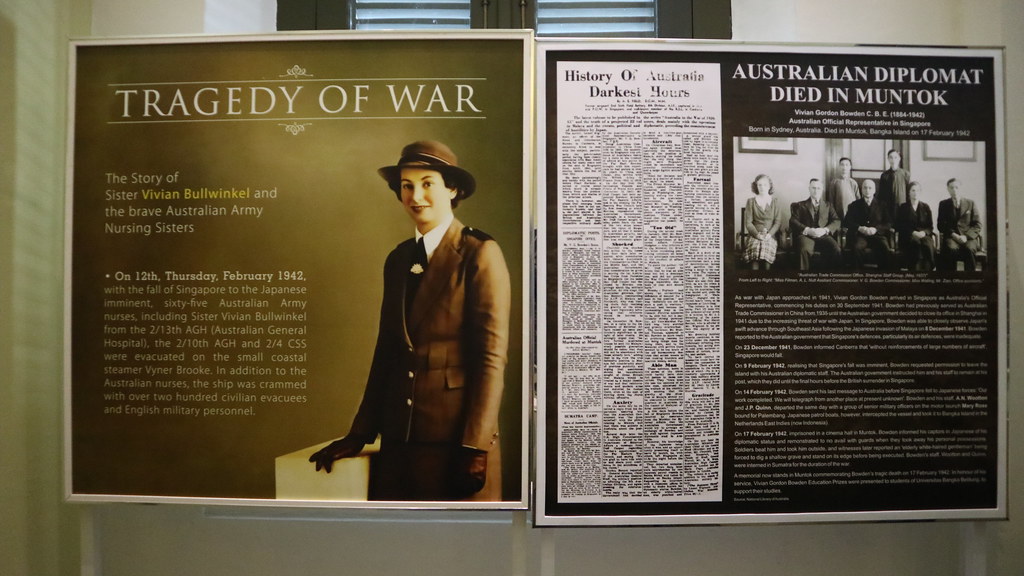
War has been a defining aspect of human history, often leading to substantial shifts in power and societal structures. Major conflicts like the World Wars and regional conflicts have lasting implications:
- World War I: Marked the end of empires and led to the formation of new nations, reshaping borders and alliances.
- World War II: Its aftermath resulted in the Cold War, a period characterized by ideological rivalry and military tension between the U.S. and the Soviet Union.
- Modern Conflicts: Ongoing issues in the Middle East and Africa illustrate how historical grievances can perpetuate cycles of violence.
The Role of Ideology
Ideologies have played a critical role in shaping world events. From nationalism to communism, ideologies have driven movements and defined relationships between nations:
- Nationalism: Played a pivotal role in both World Wars, influencing the formation and dissolution of nations.
- Communism: Its rise in the 20th century sparked revolutions and redefined economic systems around the globe.
- Globalization: Today’s interconnected world challenges traditional ideologies, promoting debates over identity, culture, and economy.
Conclusion: Lessons from the Past
As we navigate the complexities of the 21st century, understanding the threads of history can guide our actions and decision-making. World history is not merely a record of dates and events; it is a rich narrative of human experience that continues to shape our present and future. By learning from the successes and failures of our predecessors, we can aspire to build a more cohesive and understanding global community.