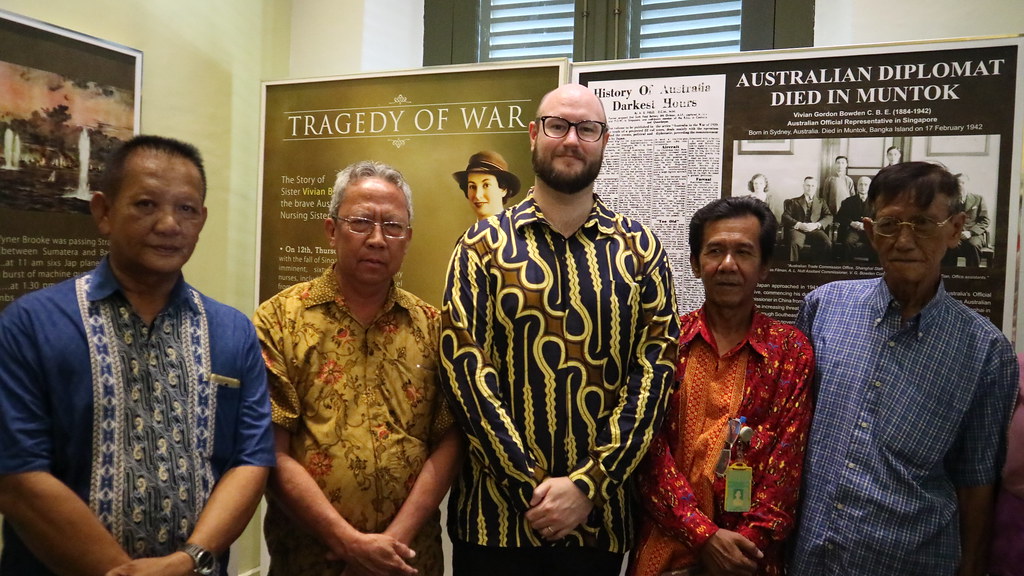
The Unfolding Narrative: How Personal Stories Shape Our Understanding of World History
Introduction
The history of the world is often told through the lens of grand events and monumental figures. However, the power of personal stories and individual experiences can provide a richer and more nuanced understanding of the past. This article explores how these narratives not only illuminate historical events but also contribute to our collective memory and identity.
The Importance of Personal Narratives in History
Personal narratives play a critical role in shaping our comprehension of historical contexts. They offer insight into the lives of ordinary people who lived through extraordinary times. Here are several reasons why personal stories matter:
- Humanizing History: Personal stories make history relatable. By hearing about the daily lives, struggles, and triumphs of individuals, we can better connect with the past on an emotional level.
- Diverse Perspectives: Individuals from different backgrounds provide varied viewpoints that enrich our understanding of historical events. This diversity helps to challenge dominant narratives.
- Lessons Learned: Personal experiences often highlight resilience, courage, and adaptability, teaching us lessons that remain relevant today.
Case Studies of Personal Narratives in History
Throughout history, numerous personal accounts have emerged that significantly impacted our understanding of specific events. Here are a few notable examples:
1. Anne Frank’s Diary
Anne Frank’s diary serves as a poignant reminder of the Holocaust’s human toll. Written during her time in hiding, her diary reveals the fears, hopes, and dreams of a young girl facing unimaginable circumstances. This personal perspective has helped to educate generations about the atrocities of World War II.
2. The Autobiography of Malcolm X
Malcolm X’s life story details his transformation from a troubled youth to a prominent civil rights leader. His autobiography provides insight into issues such as race, identity, and social justice in America, enriching our understanding of the civil rights movement.
3. The Letters of World War I Soldiers
Letters written by soldiers during World War I capture the realities of trench warfare and the emotional struggles faced by those on the front lines. These personal accounts help humanize the statistics of war, shedding light on the experiences of individuals who served.
How Personal Stories Influence Historical Narratives
Personal narratives can influence historical narratives in various ways:
- Shifting Focus: They can prompt historians to consider events from different angles, potentially reshaping the way we interpret history.
- Preserving Memory: Personal stories help preserve the memory of specific events and figures, ensuring that their contributions are not forgotten.
- Encouraging Empathy: By sharing personal experiences, we foster empathy and understanding, which are vital in promoting tolerance and acceptance in society.
The Digital Age and the Amplification of Personal Narratives
In today’s digital age, personal stories can reach a wider audience thanks to social media and online platforms. This accessibility allows individuals to share their experiences, contributing to a more inclusive historical narrative. Here are some trends:
- Social Media Movements: Platforms like Twitter and Instagram have become vital for individuals to share their stories, highlighting social issues and encouraging movements such as #MeToo and #BlackLivesMatter.
- Digital Archives: Online platforms and archives are dedicated to preserving personal narratives, making them accessible for future generations and researchers.
- Interactive Storytelling: Digital technologies allow for innovative ways of presenting personal narratives, including multimedia presentations and virtual reality experiences.
The Future of Personal Narratives in Understanding History
As we continue to navigate a rapidly changing world, personal narratives will play a crucial role in shaping our understanding of history. They will help us document contemporary issues and their historical roots, offering insights that can guide future generations. As more individuals share their stories, the collective narrative of humanity will expand, becoming increasingly diverse and representative.
Conclusion
In conclusion, personal narratives are essential in shaping our understanding of world history. By exploring the individual experiences behind historical events, we not only humanize history but also enrich our collective memory. As we move forward, it is vital to recognize and celebrate these stories, ensuring that the lessons of the past continue to resonate with current and future generations.